
How to Make Cut Flowers Last Longer at Home
Fresh flowers can change the whole feel of a room, then somehow look thirsty by the next morning if they’re not looked after well. The good news is that flower care at home isn’t complicated. A few small habits make a real difference, especially in Australia where warm rooms, bright windows and dry air can shorten vase life quickly.
At Florist&Farmer, flowers are cared for from farm to vase, with a focus on seasonal, locally grown, chemical free blooms. Once they’re in your home, the same idea applies: keep them clean, hydrated and comfortable. That’s the simple heart of how to make flowers last longer.
Here’s a practical, no-fuss guide you can follow each time you bring home a bunch.
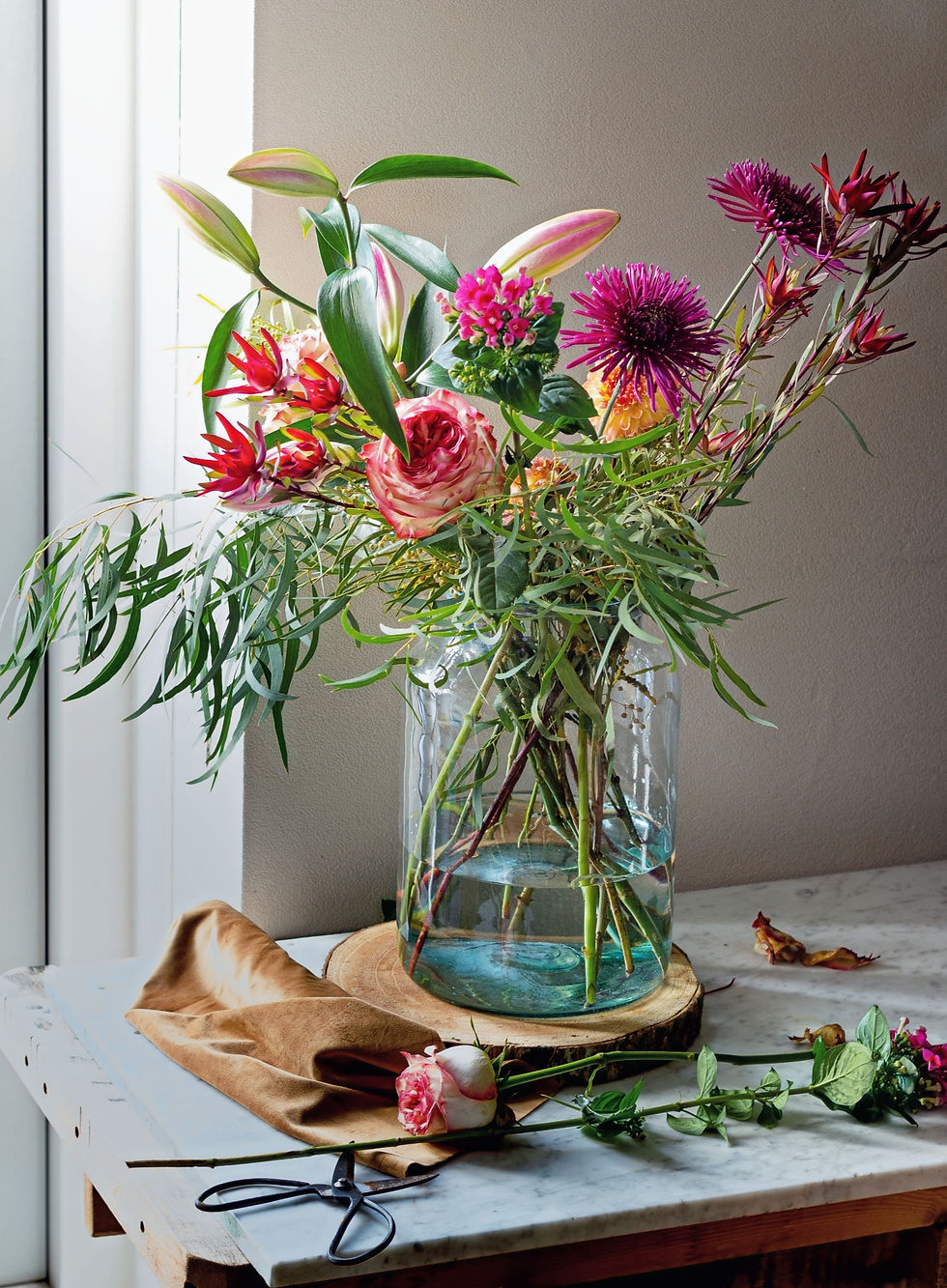
What you’ll need before you start
You don’t need fancy gear. Most of what helps flowers last longer comes down to cleanliness and timing.
Have these ready:
A clean vase
Fresh, cool tap water
Sharp scissors, secateurs or a clean knife
Flower food, if provided
A bin or compost bowl for leaves and fading stems
A soft cloth or bottle brush for cleaning the vase
Sharp, clean tools matter more than people realise. A blunt tool can crush the base of the stem, which makes it harder for the flower to drink. A dirty tool can introduce bacteria straight into the water.
1. Prepare the flowers properly before they go in the vase
When flowers are cut from the plant, they lose their usual source of water and nutrients. From that moment on, the stem becomes the drinking straw. Your job is to keep that straw open and free-flowing.
Start by taking off any wrapping, ties or wet paper. Lay the bunch gently on a clean surface and look at the bottom half of each stem.
Recut every stem at an angle
Trim about 1 to 2 cm from the base of each stem before placing it in water. Cut on a 45 degree angle using sharp, clean scissors, secateurs or a knife.
An angled cut helps in two ways. It creates a larger surface for water uptake, and it stops the stem sitting flat against the bottom of the vase. If the stem sits flat, it can seal itself off and drink less effectively.
If the flowers have been out of water for a while, this step matters even more. The cut end can dry over, a bit like the skin that forms on cut fruit. A fresh cut opens the stem again.
For best results, cut stems just before they go into the vase. If you trim them then leave them lying on the bench, the ends can start drying again.
Remove leaves below the waterline
Any leaf that sits under water should come off. Don’t strip the whole stem bare, just remove the lower leaves that would end up in the vase water.
Leaves break down quickly underwater. As they soften and decay, they feed bacteria. That cloudy, smelly vase water you’ve probably seen before is often caused by leaves and plant matter breaking down.
Bacteria can block the ends of stems, making it harder for flowers to take up water. The flower may still be sitting in a full vase, but it can wilt because the stem can’t drink properly.
A quick tidy at the start saves trouble later.

2. Get the water right from the beginning
Fresh water is one of the easiest ways to extend vase life. It sounds simple because it is, but it’s also the step people skip most often.
Use a clean vase and fill it with fresh, cool tap water. Most cut flowers are perfectly happy in regular tap water. Avoid hot water unless you’ve been given specific care advice for a particular flower, and don’t use water that has been sitting around in a jug for days.
Start with a properly clean vase
A vase can look clean and still hold residue inside, especially around the base or in narrow necks. Old flower water leaves behind bacteria and film, which can spoil the next bunch faster.
Wash the vase with warm soapy water, then rinse well. If the vase is narrow, use a bottle brush or swirl uncooked rice with a little soapy water to help scrub the inside. Rinse until the water runs clear.
Let’s be honest, most of us have tipped out an old arrangement and reused the vase after a quick rinse. It’s fine once in a while, but a proper wash is one of the best habits to build.
Change the water regularly
Change the vase water every 1 to 2 days, or sooner if it looks cloudy. Each time you change it, rinse the vase and remove any soggy leaves or fallen petals.
Clean water slows the growth of bacteria. Bacteria are part of normal life, but in a vase they multiply quickly, especially in warm rooms. They can clog stems and speed up decay. That can be why flowers often perk up after a water change and a fresh trim.
When you change the water, recut the stems if you can. You don’t need to take much off, just a small slice from the base. This gives the flowers a clean drinking surface again.
Check water levels daily
Some flowers drink a surprising amount, especially in the first day or two. Roses, dahlias, hydrangeas and many soft-stemmed seasonal flowers can pull water down quickly.
Check the level each morning. Top up with fresh water if needed, and make sure all stem ends are sitting well below the surface.
A vase that looks half full from across the room may not be enough if the stems are short or the water has dropped below some of them.

3. Choose a spot where flowers can stay comfortable
Where you place your vase can add days to your flowers, or take them away. Cut flowers last best in a cool, stable spot.
Keep them away from:
Direct sunlight
Heaters and fireplaces
Air conditioners
Draughty windows and doorways
Warm appliances
Ripening fruit
Direct sun can look beautiful on petals, but it warms the water and speeds up wilting. Heat makes flowers lose moisture faster, a bit like washing hung in the sun.
Air conditioners and draughts dry petals and leaves. Some flowers respond by crisping at the edges, even when the vase water is full.
Ripening fruit is another sneaky one. Fruit gives off a natural gas as it ripens, especially bananas, apples and pears. That gas can encourage flowers to age faster. You don’t need to ban fruit from the house, just don’t sit the vase right beside the fruit bowl.
A good spot is somewhere bright but not hot, with indirect light and steady airflow. A dining table, hallway console or shaded kitchen bench can work well.
If your home gets warm during the day, move the vase to the coolest room overnight. Even a small break from heat can help flowers hold better.
4. Tidy the arrangement as it changes
A bunch of flowers is alive in its own way. Some blooms open quickly, some take their time, and some naturally finish earlier than others. That’s normal, especially with seasonal mixed bunches.
Check the arrangement each day and remove anything that’s fading badly.
Look for:
Petals turning brown or transparent
Stems becoming soft or slimy
Leaves drooping into the water
Flowers dropping lots of pollen or petals
Water becoming cloudy soon after changing
One fading flower can affect the rest of the vase. As it breaks down, it adds more plant matter to the water and can increase bacteria. Removing it keeps the arrangement fresher and often makes the remaining flowers look better too.
You can also rearrange the bunch as it changes. Pull out spent stems, shorten the remaining ones and move them into a smaller vase. This is a lovely way to enjoy the last few blooms rather than tossing the whole bunch too early.
Shorter stems are often easier for older flowers to support. If a bloom starts to droop, try cutting the stem shorter and placing it in fresh water. It won’t always recover, but it often buys more time.
5. Match your care to the type of flower
Most fresh flowers appreciate the same basic care: clean vase, fresh water, trimmed stems, cool spot. But a few types behave differently.
Woody stems, such as blossom branches or some native foliage, may need a stronger cut with secateurs. Make sure the base is freshly trimmed so water can move up the stem.
Soft stems, such as poppies, cosmos or sweet peas, can bruise easily. Handle them gently and avoid crushing the ends.
Thirsty flowers, such as hydrangeas, can wilt dramatically if they run short on water. Check their vase daily and recut the stems if they begin to droop.
Heavy-headed flowers may bend as they open. Shortening the stems and using a vase that supports them can help.
This is where seasonal, locally grown flowers have a real charm. They don’t all behave in a perfectly uniform way, and that’s part of their beauty. They reflect the time of year, the weather and the farm they came from.

6. Refresh the bunch after a few days
After three or four days, give the whole arrangement a reset. This takes only a few minutes and can make the flowers look newly arranged.
Take the bunch out of the vase and set it on a clean towel. Tip out the old water, wash the vase and refill it. Remove any tired stems or leaves. Recut the remaining stems and place them back in fresh water.
This is also a good time to change the shape of the arrangement. Some flowers will have opened up, others may have faded, and the bunch may sit differently. Don’t be afraid to loosen it, trim it and let it become something new.
A large bunch might become a smaller table arrangement. A few sturdy stems might end up beside the bed. Tiny leftovers can go into a jar on the bathroom shelf.
Enjoying flowers from farm to vase doesn’t have to mean keeping them perfect. It means noticing how they change and getting the most joy from each stage.
A simple flower-care routine to remember
If you only remember one thing, remember this: clean, cut, cool.
Clean
Use a washed vase and fresh water.
Cut
Recut stems at an angle with a sharp, clean tool.
Cool
Keep the vase away from heat, harsh sun, draughts and ripening fruit.
Then check the water each day, remove fading flowers and change the water regularly.
These small steps work because they support the two things cut flowers need most: water uptake and slower ageing. When stems can drink and the water stays clean, your flowers have the best chance of lasting well.
At Florist&Farmer, we believe the care given to flowers shouldn’t stop when they leave the farm. Seasonal, locally grown, chemical free flowers already carry the beauty of the place and season they came from. With a little care at home, you can enjoy that beauty for longer.
Bring them inside, give them a clean vase, keep the water fresh and place them somewhere they’ll be comfortable. Then let them do what flowers do best, brighten the room for as long as they can.


