Embracing Regenerative Wedding Flowers for Sustainable Celebrations
Weddings are moments of joy and celebration, but they can also leave a significant environmental footprint. Floral arrangements, a key part of wedding decor, often contribute to waste and resource depletion. Choosing regenerative wedding flowers offers a way to design with nature in mind, creating beautiful, meaningful celebrations that support the environment. This post explores how regenerative floral design can transform weddings into sustainable events while maintaining elegance and charm.
What Are Regenerative Wedding Flowers?
Regenerative wedding flowers come from farming and sourcing practices that restore and enhance the health of the soil, ecosystems, and communities involved. Unlike conventional flower farming, which often relies on pesticides, synthetic fertilizers, and monoculture planting, regenerative methods focus on:
Building soil fertility through composting and cover crops
Encouraging biodiversity by planting native and pollinator-friendly species
Reducing chemical inputs and water use

Supporting local growers and fair labour practices
These practices help reverse environmental damage, improve resilience to climate change, and create a positive impact beyond the wedding day.
Why Choose Regenerative Flowers for Your Wedding?
Many couples want their weddings to reflect their values, including care for the planet. Here are key reasons to choose regenerative wedding flowers:
Environmental benefits: Regenerative farming restores soil health, increases carbon sequestration, and supports wildlife habitats.
Healthier blooms: Flowers grown without harsh chemicals tend to be fresher and longer-lasting.
Supporting local communities: Buying from local regenerative growers strengthens regional economies and promotes ethical labour.
Unique aesthetics: Regenerative flowers often include wild, seasonal, and native varieties that create natural, textured arrangements.
Reducing waste: Many regenerative florists use compostable or reusable materials, minimizing landfill contributions.
By selecting regenerative flowers, couples contribute to a cycle of renewal and sustainability.

How to Incorporate Regenerative Flowers into Your Wedding
Start with Seasonal and Local Choices
Seasonal flowers require fewer resources because they grow naturally in the current climate and soil conditions. Local sourcing reduces transportation emissions and supports nearby farms. Ask your florist about what blooms are available in your region during your wedding month.
Choose Native and Pollinator-Friendly Plants
Native plants are adapted to local conditions and provide food and shelter for pollinators like bees and butterflies. Including these in your arrangements helps maintain biodiversity and ecosystem health.
Work with Florists Who Practice Regenerative Principles
Look for florists who prioritize regenerative growing methods or partner with farms that do. They can guide you toward flowers that fit your style and values. Some florists also offer rentals for vases and decor to reduce waste.
Use Sustainable Floral Design Techniques
Incorporate greenery and foliage to extend the life of arrangements and reduce the number of cut flowers needed.
Avoid floral foam, which is non-biodegradable and toxic. Use alternative mechanics like chicken wire or reusable floral frogs.
Repurpose flowers after the event by donating to hospitals or community centres.
Consider Growing Your Own Flowers
If you have the space and time, growing your own wedding flowers can be a rewarding way to ensure regenerative practices. Even small container gardens with herbs and blooms add a personal touch.
Examples of Regenerative Wedding Flower Ideas
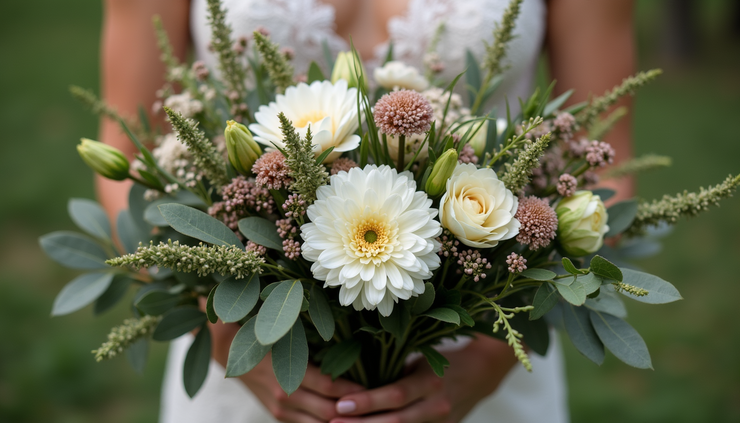
Wildflower bouquets with a mix of native blooms and grasses for a rustic, natural look.
Potted plants as centrepieces that guests can take home and replant.
Herb arrangements featuring rosemary, lavender, and thyme that add fragrance and can be used in cooking afterward.
Seasonal fruit and vegetable accents like artichokes, berries, or kale for texture and colour.
Dried flower elements that last beyond the wedding day and reduce waste.
These ideas highlight how regenerative flowers can be both beautiful and meaningful.
Overcoming Challenges with Regenerative Wedding Flowers
Some couples worry that regenerative flowers might limit their options or increase costs. While availability depends on location and season, planning early and working closely with knowledgeable florists can help. Regenerative flowers often cost less than imported, out-of-season blooms once you factor in reduced transportation and chemical inputs.
Education is key. Sharing your vision with vendors and guests raises awareness about sustainable choices and encourages wider adoption.
The Lasting Impact of Choosing Regenerative Flowers
Selecting regenerative wedding flowers shows a commitment to nurturing the planet. These choices contribute to healthier soils, cleaner water, and thriving ecosystems. They also inspire others to think differently about celebrations and consumption.
By embracing regenerative floral design, couples create weddings that honour the natural environment and leave a positive legacy.