Green Caterpillar Defence - How Land Cress Can Naturally Protect Your Vegetables
I used to struggle every season with tiny green caterpillars munching away at my cabbages, kale, and broccoli. These pests, the larvae of the cabbage white butterfly, seemed unstoppable. No matter what I tried, my vegetables never made it to full harvest without holes and damage. Then I discovered a natural, regenerative gardening trick that changed everything: planting land cress (Barbarea vulgaris) as a companion plant.
This simple addition to my garden helped me protect my crops without chemicals or complicated pest control. Here’s how it works and why it might be the perfect solution for beginner gardeners and homesteaders looking for a natural way to keep cabbage white caterpillars at bay.

My Battle with Cabbage White Caterpillars
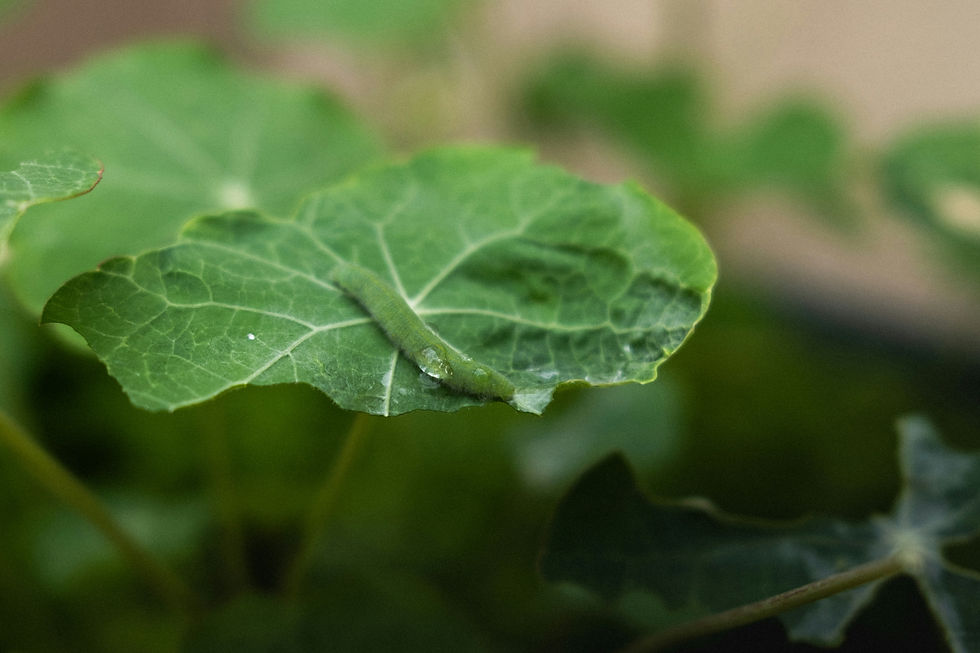
When I first started gardening, I was excited to grow my own cabbages, kale, and broccoli. But soon, I noticed tiny green caterpillars eating the leaves faster than I could pick them. These were the larvae of the cabbage white butterfly, a common pest in many vegetable gardens.
I tried handpicking the caterpillars and even spraying natural insecticides, but the problem kept coming back. The sprays sometimes harmed beneficial insects and didn’t feel right for my regenerative gardening goals. I wanted a natural method that worked with the ecosystem, not against it.
Discovering Land Cress as a Companion Plant
I learned about land cress (Barbarea vulgaris) from a fellow gardener who swore by its pest-repelling properties. Curious, I planted a patch of land cress near my brassicas. To my surprise, the cabbage white butterflies laid their eggs on the land cress leaves instead of my vegetables.
This was the breakthrough. The tiny caterpillars hatched on the land cress, but they didn’t survive long.
Why Land Cress Works Against Cabbage White Caterpillars
Land cress contains naturally occurring compounds called saponins. Many plants have saponins, but the specific type found in Barbarea vulgaris is highly toxic to cabbage white larvae. When the caterpillars take their first bite of land cress leaves, the saponins disrupt their digestion and kill them before they can move on to your real crops.
The cabbage white butterfly is fooled into laying eggs on land cress because the plant’s scent mimics the perfect food source for its offspring. This natural trick uses the butterfly’s own instincts against it, reducing the caterpillar population without any spraying.
Benefits Beyond Pest Control
Planting land cress doesn’t just protect your vegetables. As the land cress dies back, it adds woody, carbon-rich biomass to the soil. This helps shift your garden soil toward a fungal-dominated state, which supports healthy soil life and keeps other weeds in check.
This fits perfectly with regenerative gardening principles, where building soil health and biodiversity leads to stronger, more resilient gardens.
How to Use Land Cress in Your Garden
If you want to try this natural method, here are some tips:
Plant land cress near your brassicas like cabbage, kale, and broccoli, ideally before the cabbage white butterflies start laying eggs.
Keep a healthy patch of land cress throughout the growing season to continuously attract and trap the butterfly larvae.
Allow the land cress to die back naturally in the autumn to add organic matter to your soil. In warmer climates, the land cress may even sprout back in spring.
Avoid using insecticides on the land cress, as this will kill the beneficial saponins and disrupt the natural control.
This method works well for beginner gardeners because it requires minimal effort once established and fits into a natural, regenerative gardening system.
Using land cress to protect your vegetables from cabbage white caterpillars is a smart, natural strategy. It reduces the need for sprays, supports soil health, and uses the butterfly’s own behaviour to crash its population.
If you’re tired of watching caterpillars destroy your brassicas, give land cress a try. It’s a simple step that can make a big difference in your garden’s health and productivity.